

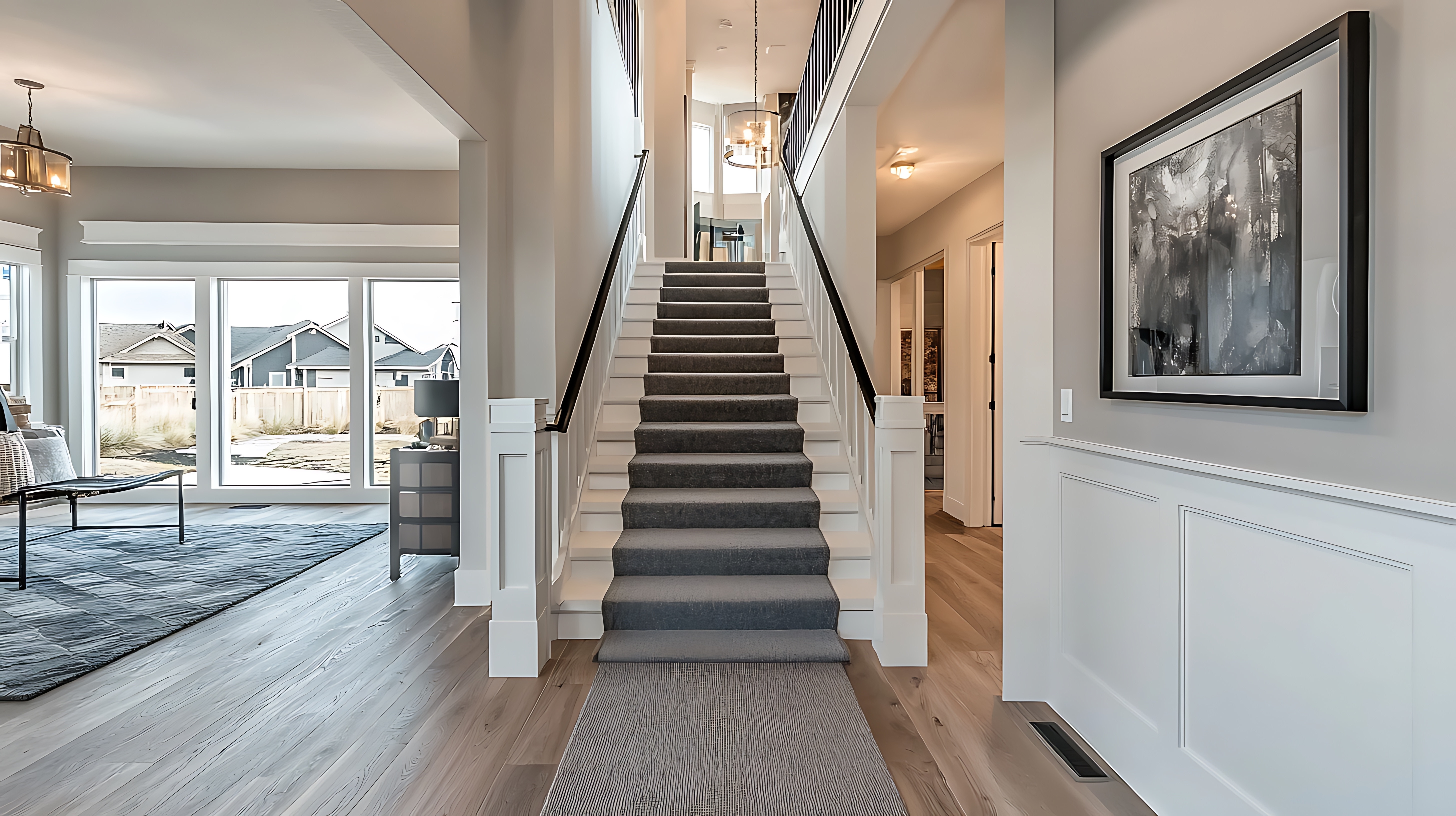
Walk through your front door on a rainy afternoon, arms full of groceries, kids trailing behind, and maybe a dog that found a mud puddle. That first stretch of flooring from the entry through the hallway takes all the abuse: wet shoes, red clay, sliding backpacks, pet claws. Instead of relying on a narrow throw rug that constantly shifts and bunches, you can “build in” a runner look right into your luxury vinyl plank (LVP) flooring.
Why LVP Makes Sense for Busy Entries and Hallways
Hallways and foyers see more traffic than almost any other space. In our humid Piedmont climate, that also means moisture, dirt, and seasonal swings that can be tough on traditional hardwood and rugs.
Luxury vinyl plank is ideal here because it combines:
- A tough, scratch-resistant wear layer that stands up to shoes, strollers, and pet nails
- Waterproof or highly moisture-resistant cores that handle wet umbrellas and tracked-in rain
- Easy cleaning when red clay or yard debris finds its way inside
If you’re just starting to explore options, it helps to compare different luxury vinyl plank styles and constructions so you can see how wood looks, tile looks, and rigid-core options behave in high-traffic zones.
Creating a “Built-In Runner” Look With Plank Layout
The beauty of LVP is that it installs as continuous flooring, but you can use layout tricks to mimic a hallway runner without actually using a separate rug.
One approach is to run the main planks lengthwise down the corridor, then border them with a contrasting color or width. Think of it like a picture frame: the center “runner” field is one tone, and the outside edges are slightly darker or lighter. Using a wood-look pattern in the center and a complementary tone on the border creates subtle visual interest without feeling busy.
For long, straight halls, rigid-core products can help keep lines crisp and stable. You can explore rigid-core vinyl options if you want that extra dimensional stability under heavy traffic and rolling loads like carts or luggage.
If your entry opens into a larger room, you can also lay planks on a diagonal in the foyer and then transition to straight planks down the hall. That shift in direction naturally defines the “runner” path while keeping one continuous, easy-to-clean surface.
Using Color and Pattern to Define the Path
Color is your best tool for suggesting a runner without adding an actual rug. In lighter, airy homes around Charlotte, many homeowners like a pale oak look for the main field of the floor, then add a slightly richer tone along the edges. The contrast doesn’t need to be dramatic; a one- or two-shade difference is enough to read as a border.
If you prefer more pattern, consider mixing in tile-look LVP near the door as a “landing pad” that flows into wood-look planks down the hall. That tile effect near the entry handles the messiest zone, while the warm wood visual guides you inward. You can experiment with combinations of wood-look and tile-look luxury vinyl to see what feels right for your style.
For narrow corridors in older Concord homes, staying with a single color but varying plank width can also suggest a runner. Use wider boards in the center and slimmer pieces at the edges to create a gentle stripe effect that visually lengthens the space.
Pairing LVP Runners With the Rest of Your Home
A hallway rarely exists on its own. It usually connects an entry, living area, and sometimes a kitchen. The goal is to make that built-in runner feel intentional with everything it touches.
If your hall opens into tile or stone at the front door, make sure the plank tones coordinate with any porcelain or ceramic tile you already have. Matching undertones (warm vs. cool) matters more than matching exact colors.
In homes where hallways feed directly into open living spaces, many families like to keep the same LVP through the whole level, then use furniture placement and lighting to define zones. You can preview how different planks will look running from the foyer into the hallway by uploading a photo to the room visualizer tool and testing a few layouts before you commit.
If you’re planning broader updates, you might also think about how hallway floors relate to nearby kitchen finishes. Coordinating a runner-style LVP layout with adjacent countertop and solid-surface choices can make the whole main level feel more cohesive.
Final Thoughts and Next Steps
A thoughtfully planned LVP “runner” can handle muddy shoes, pets, and everyday traffic while adding a custom, built-in look to your halls and entry. The key is combining the right product, layout, and color contrast so your floor does the work of a runner without the tripping hazards or constant upkeep of loose rugs.
If you’d like help choosing planks, borders, or layouts that fit your home, our team can bring samples to you and talk through options right in your space. When you’re ready, you can request a free in-home estimate and start designing a hallway and entry that work as hard as the rest of your home.


