

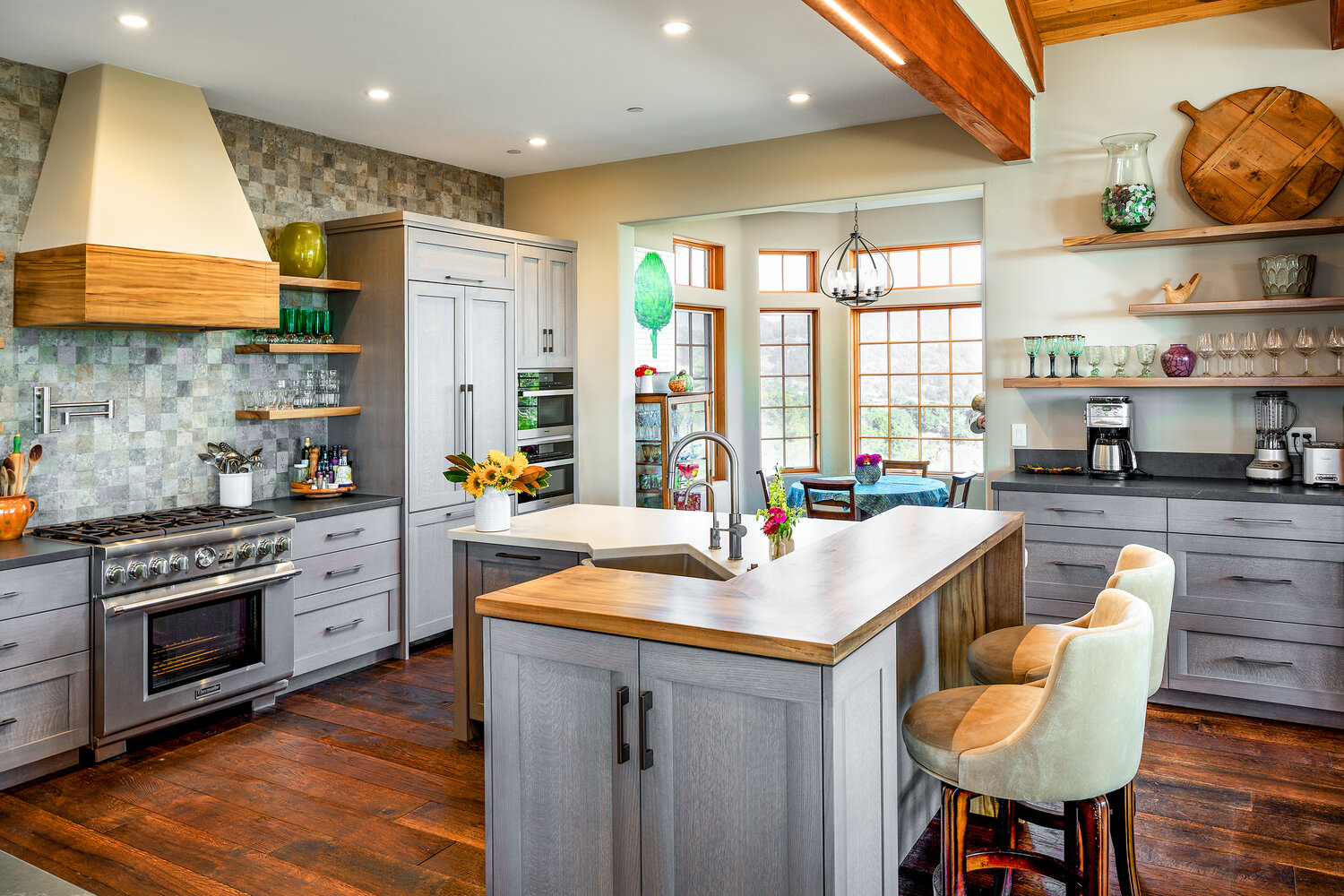
You’ve finally had it with squeaky drawers, chipped doors, and that one corner cabinet you can’t reach without crawling on the floor. A fresh set of cabinets feels like the start of a whole new kitchen. But as many homeowners around Harrisburg discover halfway through a project, the “cabinet quote” isn’t always the full story. The smartest thing you can do is understand the hidden costs before you sign anything.
1. Demo, disposal, and what’s behind your old boxes
Most cabinet quotes focus on the new product, not what it takes to remove the old one. Tearing out existing boxes, hauling debris, and repairing walls can add more than you expect.
Even in newer homes, once cabinets come down you may uncover surprises: uneven framing, outdated wiring, or plumbing lines that were tucked behind drawers. Each of those can trigger extra labor or an electrician’s or plumber’s visit.
When we plan kitchen cabinet selection and installation, we like to walk the space with you and talk honestly about what demo involves, how we’ll protect your floors, and what kinds of “behind the wall” issues are common in local homes.
2. Layout changes, fillers, and trim pieces
If you’re keeping the exact same layout, you can often control costs. As soon as you move a sink, widen an island, or add a pantry wall, you’re paying for more than just a few extra boxes.
Small line items that add up include:
- Fillers to bridge gaps where stock sizes don’t fit perfectly
- Crown and light-rail molding to finish the tops and bottoms
- Panels to cover cabinet sides that are now exposed in an open layout
In open-plan homes around Charlotte, homeowners often want cabinets to line up with new flooring or a larger island. That’s where a full plan helps. If you’re also updating floors, it can be helpful to look at wood-look luxury vinyl options at the same time, so cabinet sizes, toe-kicks, and transitions all work together instead of forcing last-minute changes.
3. Countertops, backsplash, and other “domino” upgrades
New cabinets almost always mean new countertops, even if you think you’ll reuse what you have. Many existing tops are glued and screwed in place; removing them intact is tricky, and changing cabinet heights or layouts makes reuse nearly impossible.
Once you commit to fresh counters, other upgrades tend to follow. A taller backsplash, undercabinet lighting, or a new sink and faucet can quickly stretch the budget. If you know you eventually want a full makeover, it can be more cost-effective to treat cabinets as part of a complete kitchen remodeling plan instead of piecing things together over several years.
Countertops are another area where “good, better, best” choices matter. Taking a few minutes to compare different solid-surface countertop options alongside your cabinet door samples can help you avoid expensive changes after the fact.
4. Hardware, inserts, and interior upgrades
The handles and hinges in a showroom display rarely match the basic hardware included in a cabinet quote. Higher-end pulls, soft-close hinges, and full-extension drawer glides are worth the money, but they do add cost.
The same is true for interior accessories. Trash pull-outs, spice organizers, tray dividers, and roll-out shelves don’t look expensive one by one, but a whole kitchen full of them can move the final number significantly.
Before you commit, spend a little time in the kitchen visualizer tool testing different door styles and finishes. Once you’re happy with the overall look, you can prioritize which internal upgrades will actually change how your kitchen works day to day.
5. Protecting surrounding finishes and flooring
Cabinet replacement doesn’t happen in a vacuum. Walls, ceilings, and floors are all at risk if the crew isn’t careful. Touch-up painting, drywall patching, and floor repair are common “forgotten” costs.
If your existing floors are staying, ask how they’ll be covered and what happens if something is damaged. If you’re planning new flooring soon, consider timing the work so we can install durable porcelain tile in key areas or lay continuous planks after the cabinets are in place instead of cutting around old boxes now and replacing later.
In busy Concord households with kids and pets, coordinating cabinets, counters, and flooring in one plan usually saves both headaches and money over time.
Replacing cabinets is one of the biggest investments you’ll make in your home, and understanding these hidden costs up front lets you choose where to splurge and where to save. If you’d like a clear, line-by-line plan for your own space, our team can walk you through options, from door styles to flooring and countertops, and help you request a free in-home estimate with no pressure.


